Ageing societies, fresh skylines — Mumbai's redevelopment boom is redefining home ownership.
Enquire NowMumbai's housing story is being rewritten from within its own neighbourhoods. According to a new analysis by Knight Frank India, ongoing society redevelopment projects across the Municipal Corporation of Greater Mumbai region are expected to add over 44,277 new homes worth Rs 1,305 billion by 2030. This isn't a fringe trend — it's fast becoming the primary engine of new housing supply in a city where vacant land is nearly impossible to find.
The scale of activity is striking. Since 2020, 910 housing societies across Mumbai have signed development agreements, unlocking nearly 327 acres of land based on FSI utilisation norms and average unit sizes. And this is just the beginning: an estimated 160,000 societies in Mumbai are over 30 years old and technically eligible for redevelopment, meaning the current pipeline represents a fraction of what's possible.
Geographically, the Western Suburbs — stretching from Bandra to Borivali — are the epicentre of this transformation, expected to contribute 32,354 new homes, or 73% of the total pipeline. Borivali, Andheri, and Bandra emerge as the hottest redevelopment corridors, together accounting for over 139 acres of activity. South Mumbai and Central Mumbai, by contrast, lag behind due to fragmented ownership structures and higher entry costs, adding just 416 and 1,085 units respectively.
The financial ripple effects are significant too. The free-sale component of these redevelopment projects is projected to generate approximately Rs 7,830 crore in stamp duty and Rs 6,525 crore in GST for the state exchequer over the next few years. Shishir Baijal, Chairman & Managing Director of Knight Frank India, noted that society redevelopment in Mumbai is both inevitable and essential, given the city's limited avenues of greenfield growth and the constant rise in demand, adding that it has significantly reshaped the dynamics of several micro-markets and remains a critical driver of the city's urban renewal.
However, industry voices are also flagging caution. Baijal has pointed out that the segment today appears overheated and is fast reaching a point of inflection, with rising prices fuelling commitments that stretch well beyond sustainable limits while society members' expectations grow disproportionately. Gulam Zia, Senior Executive Director at Knight Frank India, has suggested that in markets priced below Rs 40,000 per sq ft, developers should not allocate more than 30-35% of the total area to societies to keep projects viable. Timelines also remain long — typically 8 to 11 years from ideation to handover — underscoring why choosing an experienced, financially sound developer partner matters more than ever for society members.
Mahindra Lifespaces has been one of the most active participants in this shift, rapidly expanding its Mumbai redevelopment footprint over the past year. The company has secured multiple mandates across the city's key micro-markets — including a Rs 950 crore cluster redevelopment of three societies in Lokhandwala Complex, Andheri West; a Rs 1,650 crore project in Mahalaxmi marking its entry into South Mumbai's premium belt; a Rs 800 crore mandate for four societies in Malad West; and a combined Rs 1,700 crore redevelopment of two societies in Chembur's Diamond Garden area. More recently, the developer was selected for a Rs 1,010 crore project in Matunga. Commenting on the Lokhandwala deal, Amit Kumar Sinha, Managing Director & CEO of Mahindra Lifespace Developers, said this strategic move strengthens the company's presence in the western suburbs of Mumbai.
For homebuyers, this redevelopment wave translates into a genuine opportunity: modern, RERA-compliant apartments in established, well-connected neighbourhoods that would otherwise have no new supply. As Vimalendra Singh, Chief Business Officer – Residential at Mahindra Lifespace Developers, put it, the company's reputation for delivering thoughtfully designed, high-quality homes has made it a preferred choice for societies looking to redevelop. With Mumbai's redevelopment pipeline set to reshape entire pockets of Bandra, Andheri, Chembur, Malad and Matunga over the coming years, buyers now have a wider set of quality housing options in locations they may have once thought were closed to new development.
Kandivali East, Mumbai
To be announced • Price on request
15-acre land parcel, ₹5,600 Cr GDV
Murud Beach, Dapoli
Studio, Suite Keys • Price on Request
110-key coastal resort
Murud, Raigad (near Alibaug)
2, 3 BHK • Price on Request
Upcoming coastal homes near Murud-Janjira Fort
Panvel, Mumbai
1, 2, 3 BHK • Price on Request
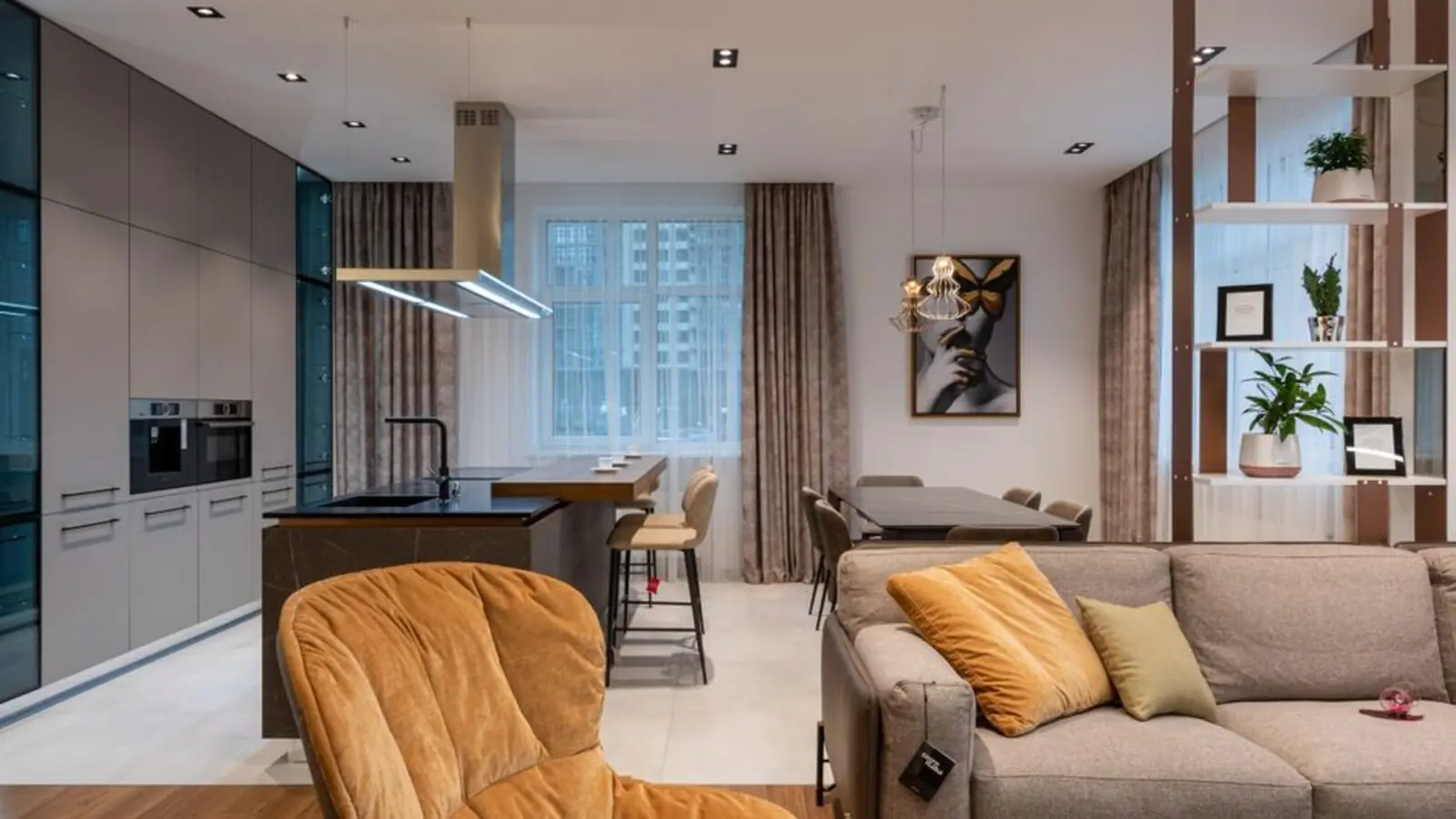
Upcoming Mahindra homes near NMIA
Thane, Mumbai
2, 3 BHK • Price on Request
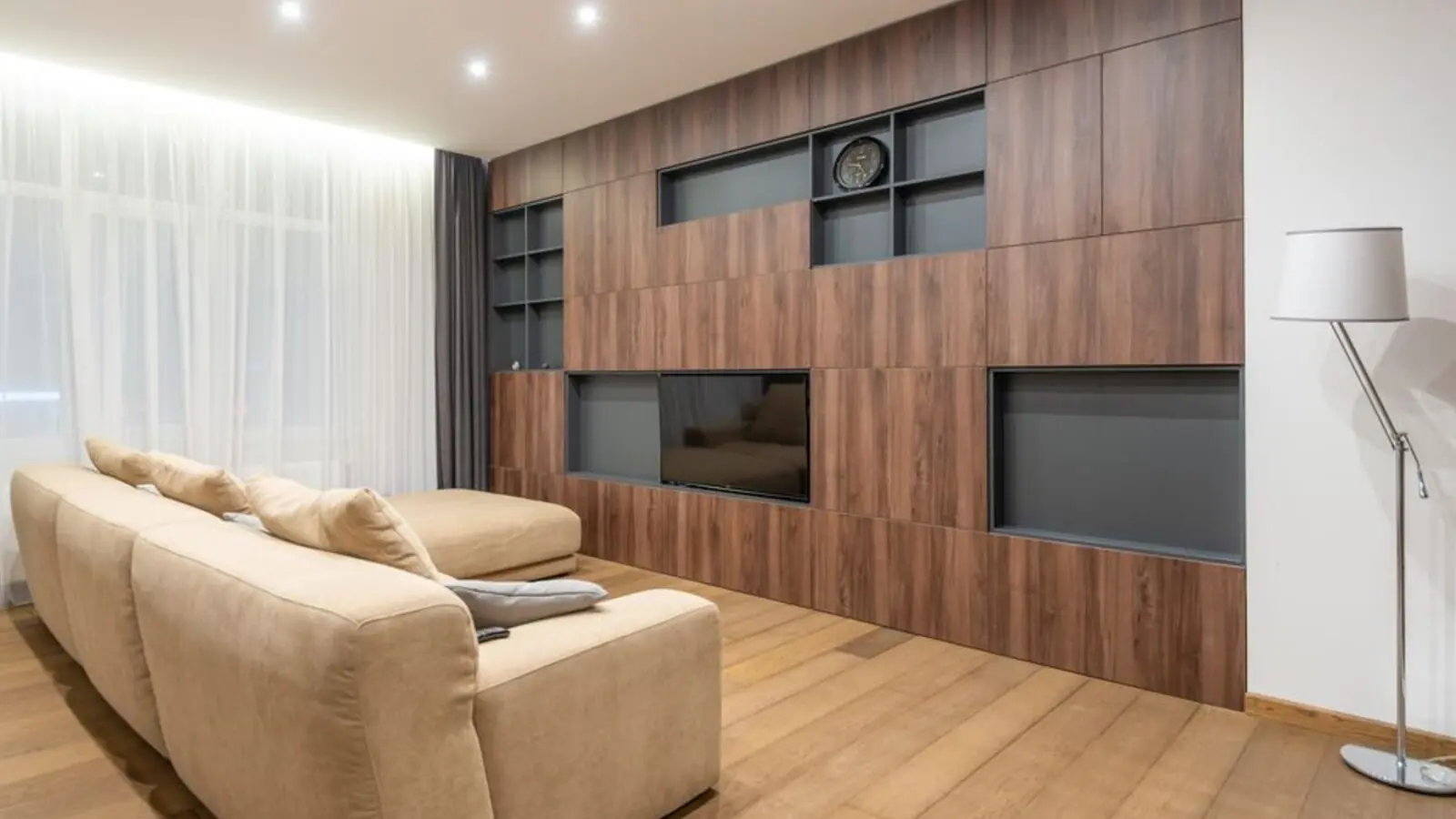
Upcoming Mahindra address in Thane

Eliambedu, Chennai
Industrial & Commercial Plots • Price on request
95-acre industrial expansion on NH-16
Ajmer Road, Jaipur
Commercial Plots • Rs 60 Lakhs onwards
3000-acre Mahindra World City SEZ
Dholera SIR, Ahmedabad
Industrial, Commercial, Residential • Price on Request
Rs 2,000 Cr integrated business city on DMIC
This site is published for general information only and is not an offer or contract. Prices, plans, and specifications are indicative and may change without notice. Buyers should verify all details independently before deciding. About · Projects
Share your details and our expert will call you back.