Premium, sustainable homes by Mahindra across Mumbai's most connected neighborhoods.
Enquire NowMumbai remains India's largest and most closely watched housing market. According to Anarock, MMR recorded residential sales of 1.4 lakh units in FY 2024-25, retaining its position as India's largest housing market by volume. The city continues to see healthy transaction activity even as prices climb, with buyers increasingly choosing homes based on delivered infrastructure rather than launch promises.
The biggest difference between pre-COVID and post-COVID Mumbai real estate is buyer psychology. Before 2020, people bought because of launch hype, pre-launch discounts, and future promises. In 2026, buyers care more about what is already visible — metro stations, redevelopment progress, social infrastructure, and commute practicality. This shift has rewarded well-planned, IGBC-certified developments from established names.
Official registration data for the period between June 2025 and May 2026 reveals a highly active market with 85,549 transactions and a gross value of ₹1,33,358 Cr. Land scarcity, an ongoing wave of redevelopment, and improving connectivity continue to underpin long-term demand across the Mumbai Metropolitan Region.
Mahindra Lifespaces has been an active participant in this market for over two decades. Mumbai continues to be a strategic focus market for Mahindra Lifespaces, and the central suburbs are an important residential corridor driven by strong connectivity and established social infrastructure, with recent launches marking a significant step in the transformation of Mumbai's central suburbs into a vibrant premium residential destination.
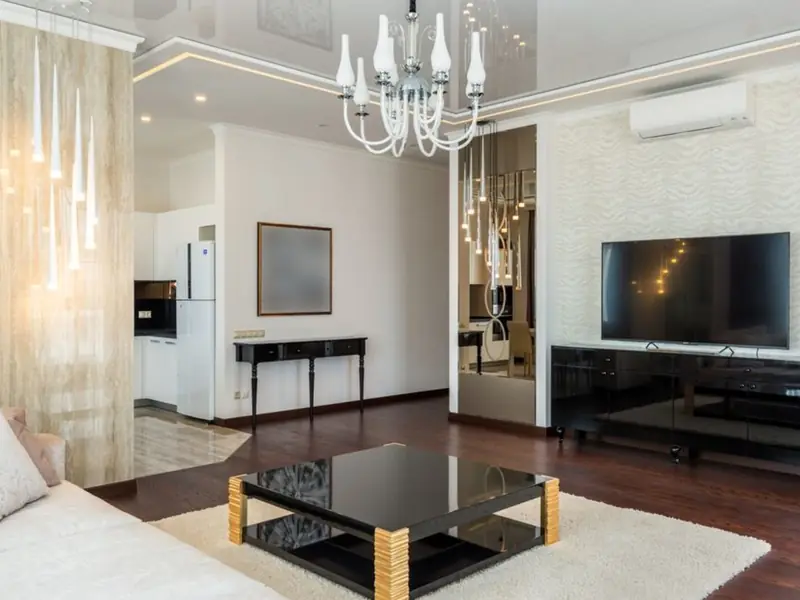
Property rates in Mumbai average ₹38,600 per sq ft, reflecting a steady upward trend over recent quarters. Mumbai's micromarkets exhibit varied price points, with Mumbai South leading the city at ₹46,350 per sq ft, while the Mumbai Harbour area stands at ₹37,250 per sq ft, and the Western Suburbs and Central Suburbs offer more accessible options at ₹34,900 and ₹33,000 per sq ft, respectively. At the top end, in premium South Mumbai localities like Malabar Hill, rates can reach as high as ₹1,20,000 per square foot for sea-facing properties. Analysts expect this pattern to continue, with Mumbai property prices in 2026 expected to remain stable with 6% to 9% average annual appreciation across most micro-markets, while premium zones like South Mumbai and Bandra may grow slower but remain highly resilient, and emerging corridors like Thane, Navi Mumbai, and redevelopment-driven central suburbs may outperform due to better affordability and stronger infrastructure momentum.
Mahindra Lifespaces has developed and launched projects across several of Mumbai's most sought-after residential corridors, from the central suburbs to South Mumbai.
A well-established western suburb with strong connectivity via the Western Express Highway and metro; home to the completed Mahindra Vivante project.
A South Mumbai address seeing renewed developer interest; Mahindra recently returned here with an ultra-premium residential tower.
A fast-growing central suburb offering easy access to both central and eastern Mumbai, and home to the delivered Mahindra Splendour project.
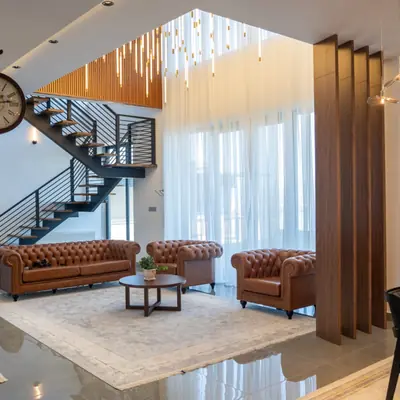
A high-demand western suburb where Mahindra has an active land parcel and ongoing residential project delivering in the coming years.

A central-western micro-market with strong social infrastructure, home to Mahindra's premium 3 BHK development.
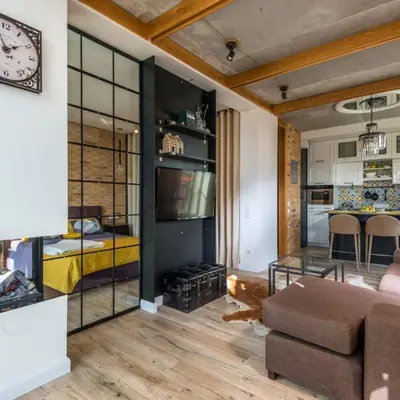
An emerging central suburbs corridor where Mahindra recently launched a large mixed-use development combining residences and retail.
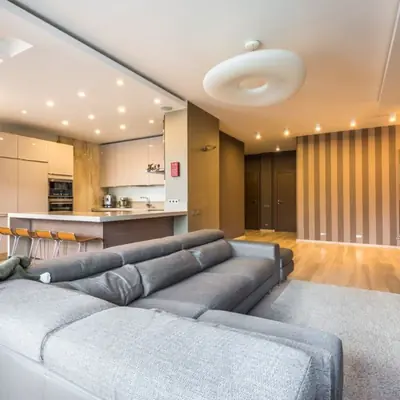
A central suburb known for its IT and media offices, offering new-launch 1 & 2 BHK apartment options.
Mumbai's infrastructure pipeline has moved from promise to delivery, and this is directly shaping where prices are rising fastest. Now that the Mumbai Coastal Road is fully open, people can travel from the Western Suburbs to South Mumbai in just a few minutes, causing a jump in property prices in places like Worli and Bandra. The expanding metro network, with new lines opening up across the city, is also making daily commutes much easier.
Beyond South Mumbai, several suburban corridors are benefiting from operational rather than planned infrastructure. Areas like Andheri East, Goregaon East, Chembur, Powai, Thane West, and Navi Mumbai have seen stronger-than-average growth because infrastructure is now operational rather than conceptual. Ghatkopar benefits from its role as a major interchange, Mulund from controlled supply and strong residential profile, and Thane from a self-sufficient urban ecosystem that sustains long-term demand. Together with the upcoming Navi Mumbai International Airport and expanding highway networks, these projects continue to support Mumbai's status as India's most resilient real estate market.
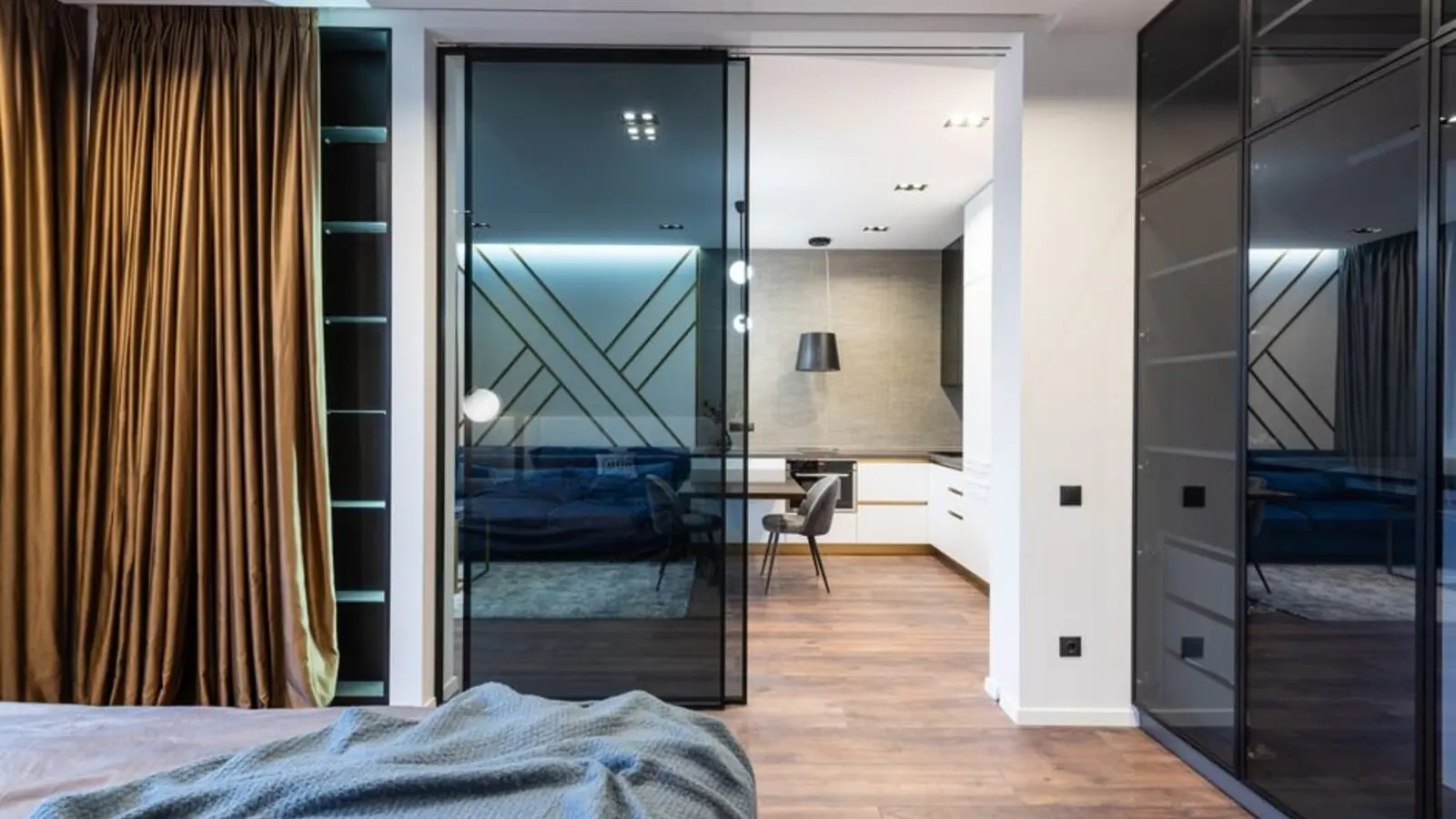
Kandivali East, Mumbai
To be announced • Price on request
15-acre land parcel, ₹5,600 Cr GDV
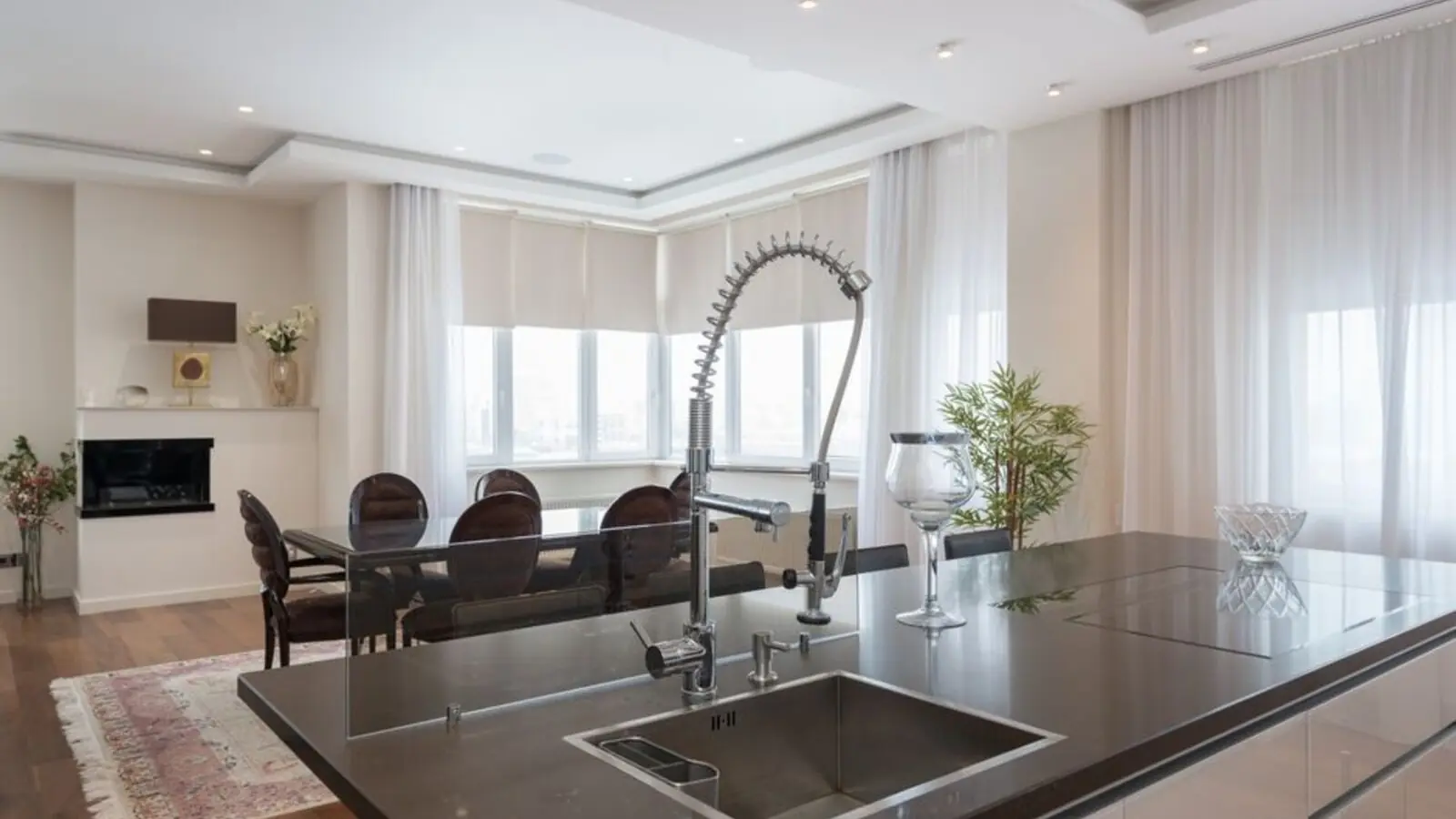
Panvel, Mumbai
1, 2, 3 BHK • Price on Request
Upcoming Mahindra homes near NMIA
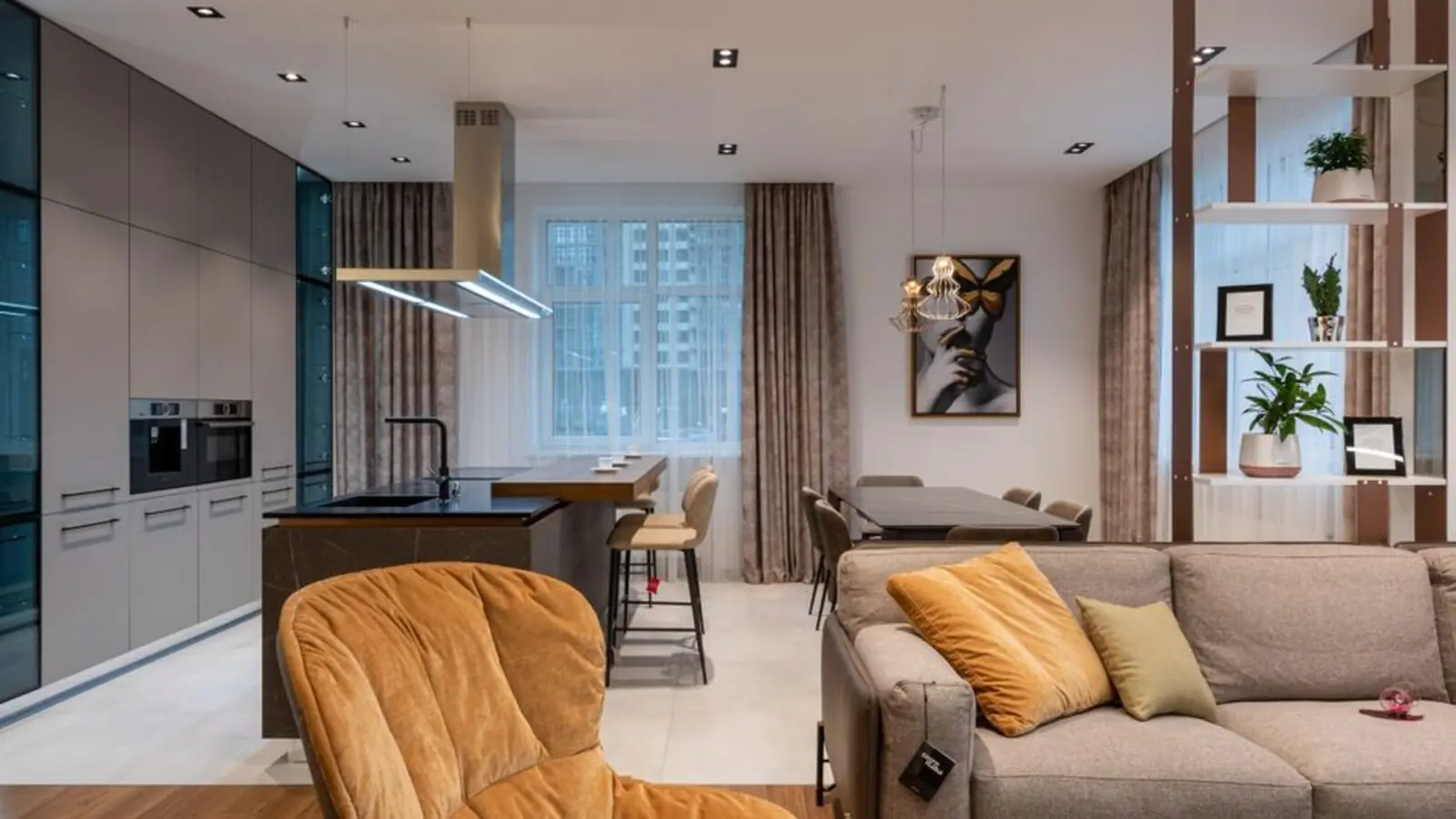
Thane, Mumbai
2, 3 BHK • Price on Request
Upcoming Mahindra address in Thane
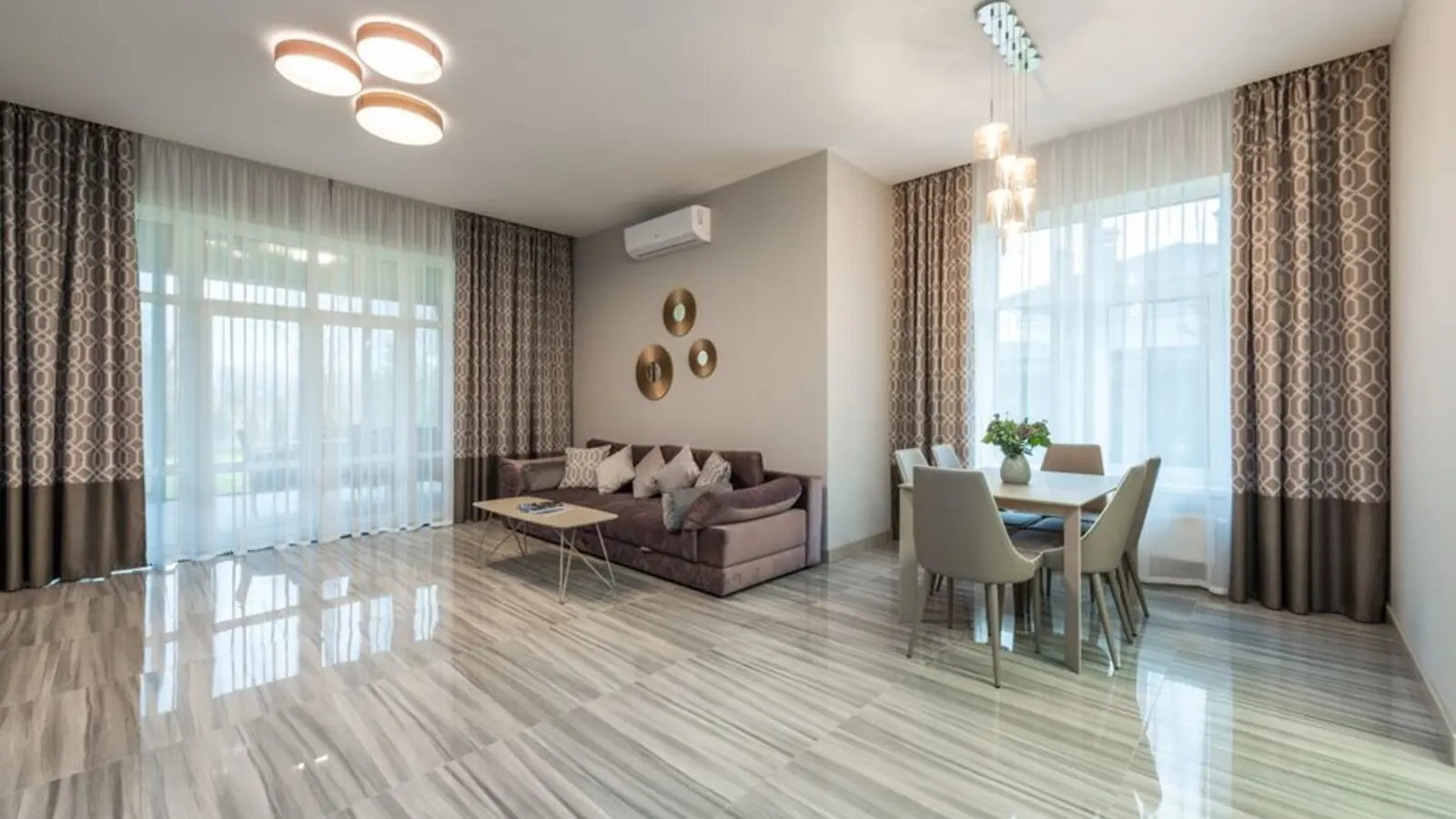
Chembur, Mumbai
2, 3 BHK • Price on Request
₹1,700 Cr redevelopment at Diamond Garden
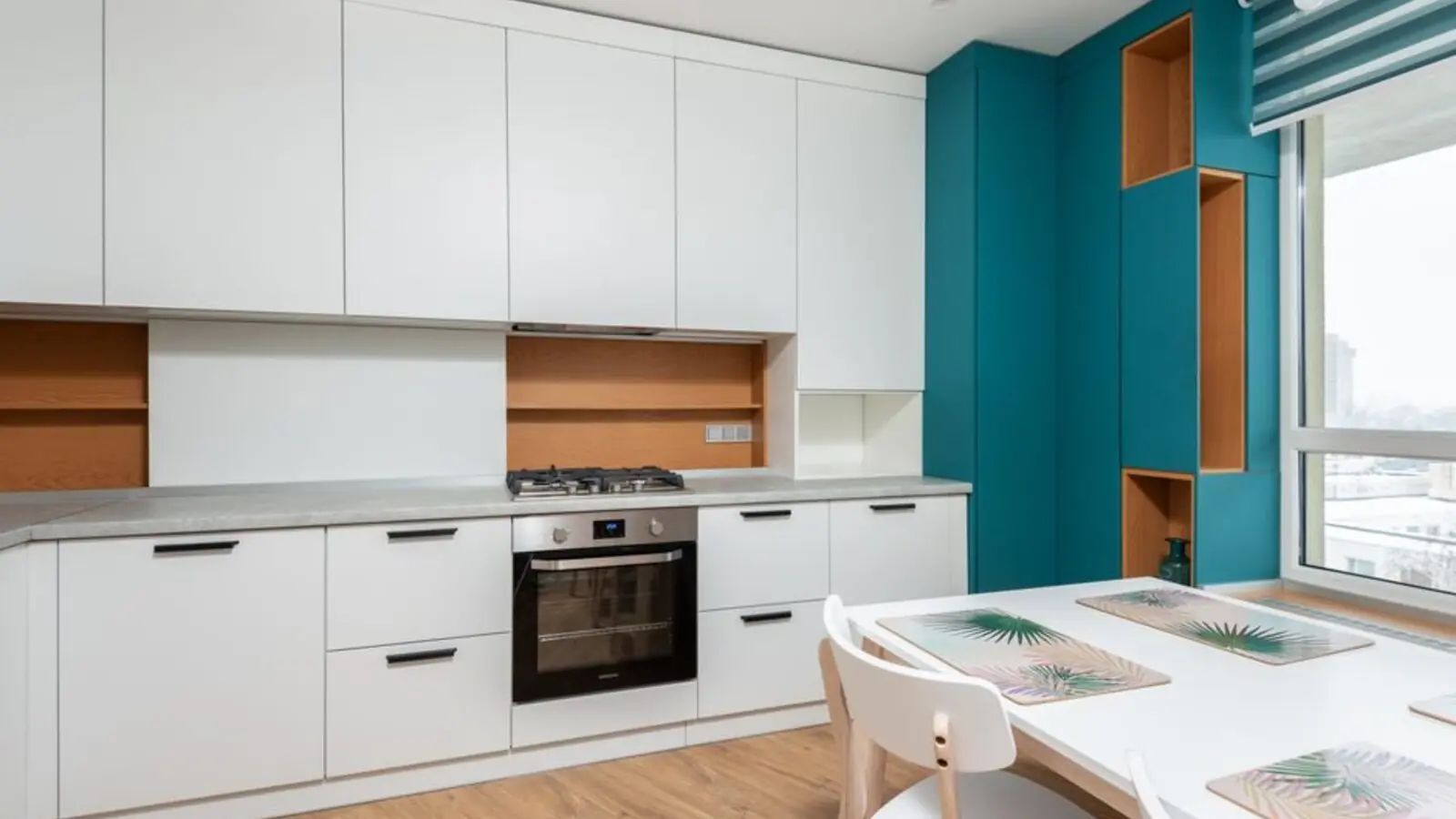
Kandivali East, Mumbai
2, 3, 4 BHK (Proposed) • Price on Request
New 15-acre greenfield project, ₹5,600 Cr GDV
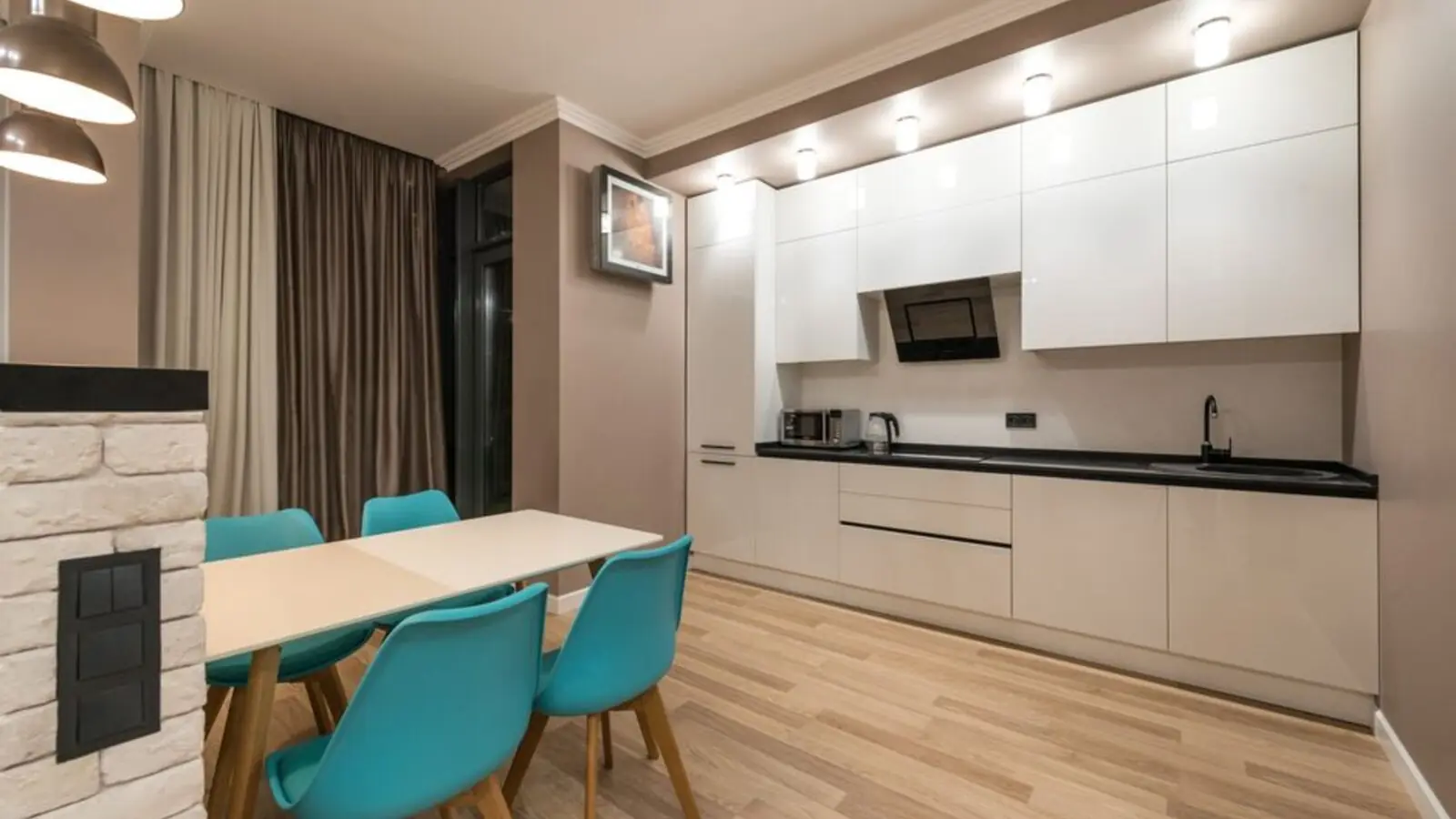
Kanjurmarg East, Mumbai
1, 2, 3 BHK • Price on Request
37-acre high-rise pre-launch township
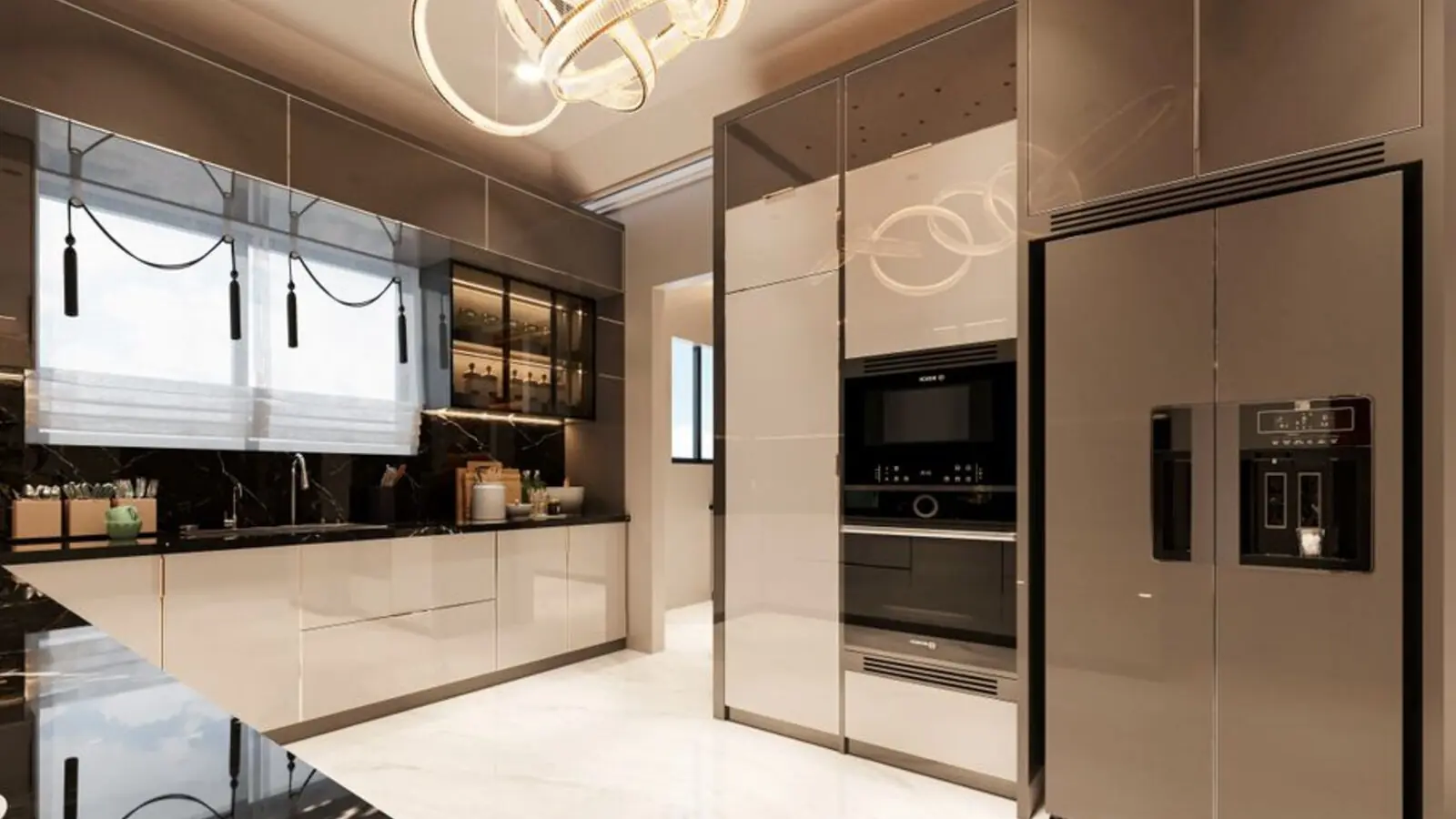
Sai Baba Nagar, Borivali West, Mumbai
2, 3, 4 BHK • Price on request
₹1,800 Cr cluster redevelopment
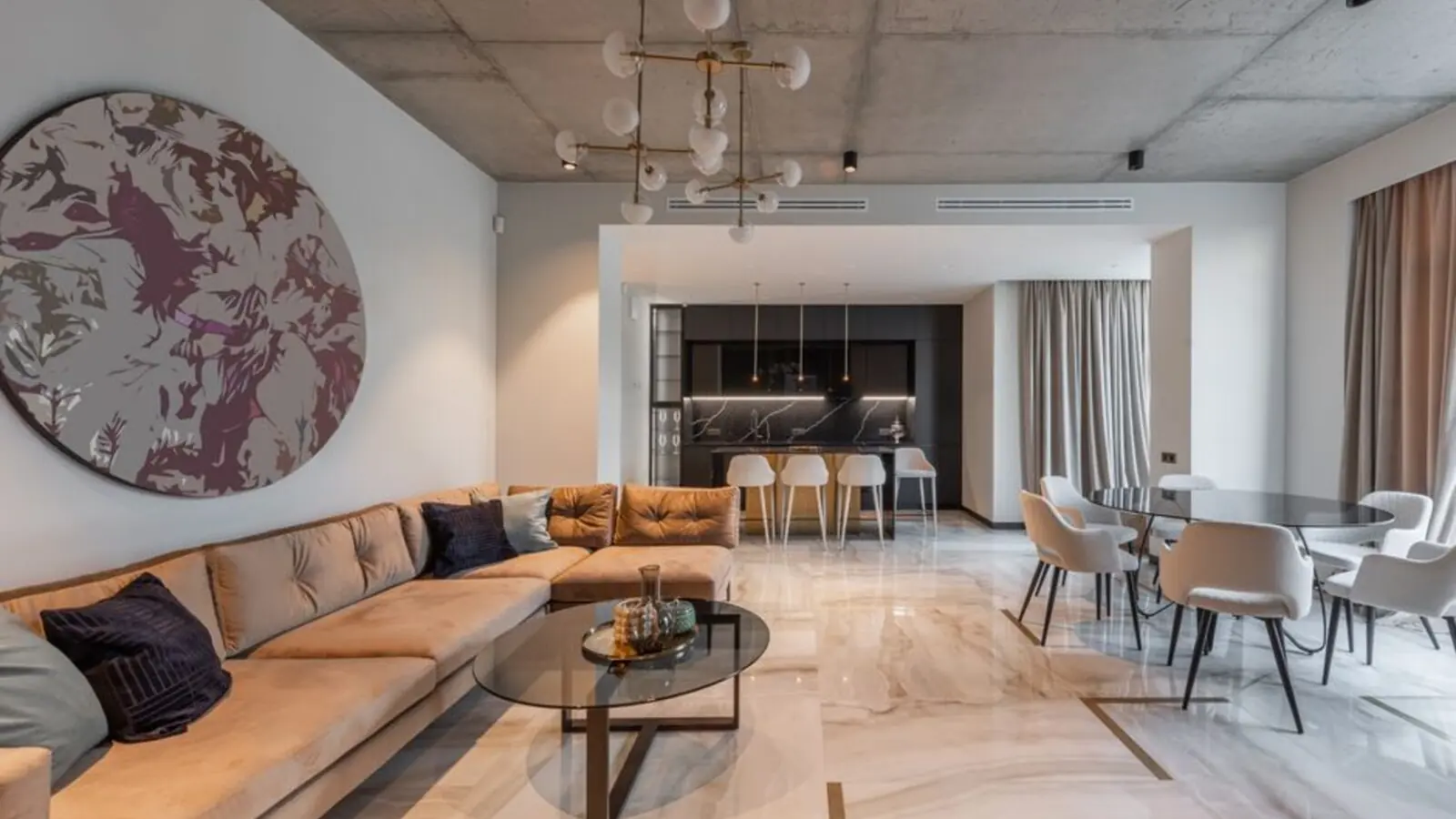
Dahisar East, Mumbai
1, 2, 3 BHK • Price on Request
4.8-acre project on Western Express Highway
This site is published for general information only and is not an offer or contract. Prices, plans, and specifications are indicative and may change without notice. Buyers should verify all details independently before deciding. About · Projects
Share your details and our expert will call you back.